

Nursery Baseline Assessment Handbook

Loved by 87 teachers!
This resource is part of our Baseline Assessment collection.
Click here for more resources.

Nursery Baseline Assessment Handbook
Take a confident, child-centred approach to Nursery baseline assessment with this comprehensive Practical Guide to Baseline Assessment.
Designed for Nursery teachers and EYFS practitioners, this handbook explores what baseline assessment is, what meaningful assessment can look like in an Early Years setting and how practitioners can build a reliable picture of children’s individual starting points without turning assessment into a series of tests or tasks.
The guide places observation, interaction and professional judgement at the heart of the baseline process, recognising that some of the most valuable information about a child emerges naturally through play, routines, conversations and everyday experiences.
A practical approach to Nursery baseline assessment
The handbook supports practitioners through the baseline process, from children’s first days in Nursery to using the information gathered to inform future provision.
It explores how practitioners can combine natural observation with sensitive adult interaction and occasional carefully chosen opportunities to find out more, while allowing children time to settle and demonstrate their abilities in different contexts.
Throughout the guide, the emphasis remains on building an evolving picture of the child, rather than making fixed judgements based on isolated observations.
Explore what you might notice across the EYFS
The guide looks at baseline assessment across the seven areas of learning and development, helping practitioners consider the kinds of knowledge, skills, behaviours and experiences they might notice within everyday Nursery provision.
Rather than providing activities children must complete, it encourages practitioners to consider what different areas of learning might look like through real play and familiar routines.
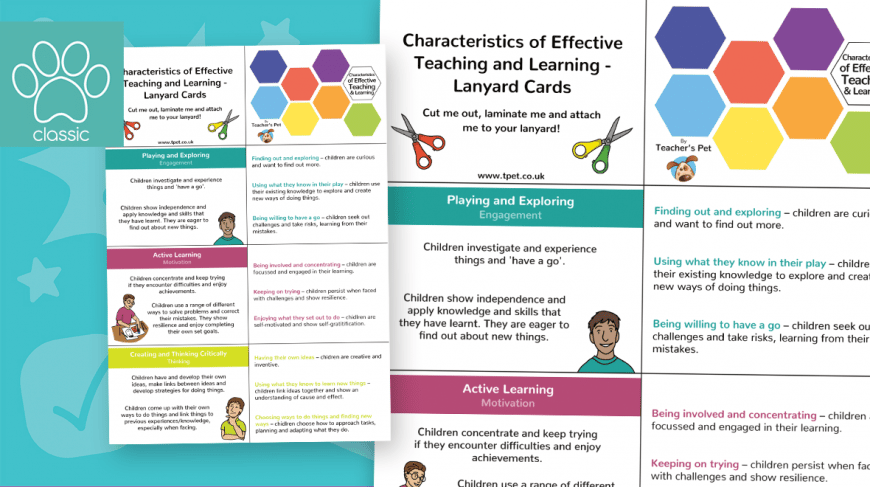
The handbook also explores the Characteristics of Effective Learning, helping practitioners notice not only what children can do, but how they approach their learning.
From observation to meaningful action
Gathering baseline information is only useful if it helps practitioners understand and support the child.
The guide explores how observations can be brought together to identify strengths, emerging skills, areas where further evidence may be helpful and opportunities for future support.
It also considers working with parents and carers, different forms of baseline evidence, common assessment pitfalls and how practitioners can respond when something has not yet been observed.
A clear Baseline Cycle brings the approach together:
Observe → Interact → Notice → Fill the Gaps → Reflect → Plan → Support
This reinforces baseline assessment as part of an ongoing process of getting to know children and responding thoughtfully to what practitioners discover.
Support confident professional judgement
This Practical Guide can help Nursery practitioners:
- understand the purpose of baseline assessment
- use observation and interaction effectively
- avoid turning baseline into formal testing
- recognise useful evidence within everyday play and routines
- consider children’s learning across all seven areas
- notice Characteristics of Effective Learning
- involve parents and carers in building a fuller picture
- distinguish between not observed and cannot do
- turn assessment information into meaningful provision and support
- feel more confident using professional judgement throughout the process
Part of our Nursery Baseline Assessment Toolkit
This resource has been created as part of our wider Nursery Baseline Assessment Toolkit — a collection of practical resources designed to support practitioners through the whole baseline process, from gathering children’s starting points to recording observations, identifying patterns and planning meaningful next steps.
Explore the other resources in the collection for additional individual assessment records, snapshot observation sheets, parent/carer input, whole-class tracking, playful observation opportunities, tuff tray ideas, progression guidance and practical support for developing provision and next steps.
Perfect for: Nursery teachers, EYFS practitioners, Nursery leads, key persons and early years settings looking for clear, practical guidance on carrying out meaningful, developmentally appropriate Nursery baseline assessment.
You can download this classroom resource with our ULTIMATE membership. Simply create an account (if you haven't already), add an Ultimate Teacher's Pet membership to your basket and checkout, then you're ready to download ALL of our amazing classroom resources. It's that simple!
Already used up all your downloads for the week? Simply give this resource some 'love' by favouriting this download. That way you'll be able to find it easily again when your downloads refresh for the week.
Need this resource in another language? A different font? Available in a Microsoft Word format so you can edit it yourself? Spotted an error that needs fixing?
You can request a change to the resource or let us know if you've spotted a problem simply adding a comment using the "Comments & Suggestions" button below.
Loved by 87 teachers!


More Related Resources:





Got something to say about this resource? Did your class love it? Did it make your life easier?
Do you want to suggest any changes or additions to this resource? Let us know in the comments below!
You must be logged in to post a comment.